



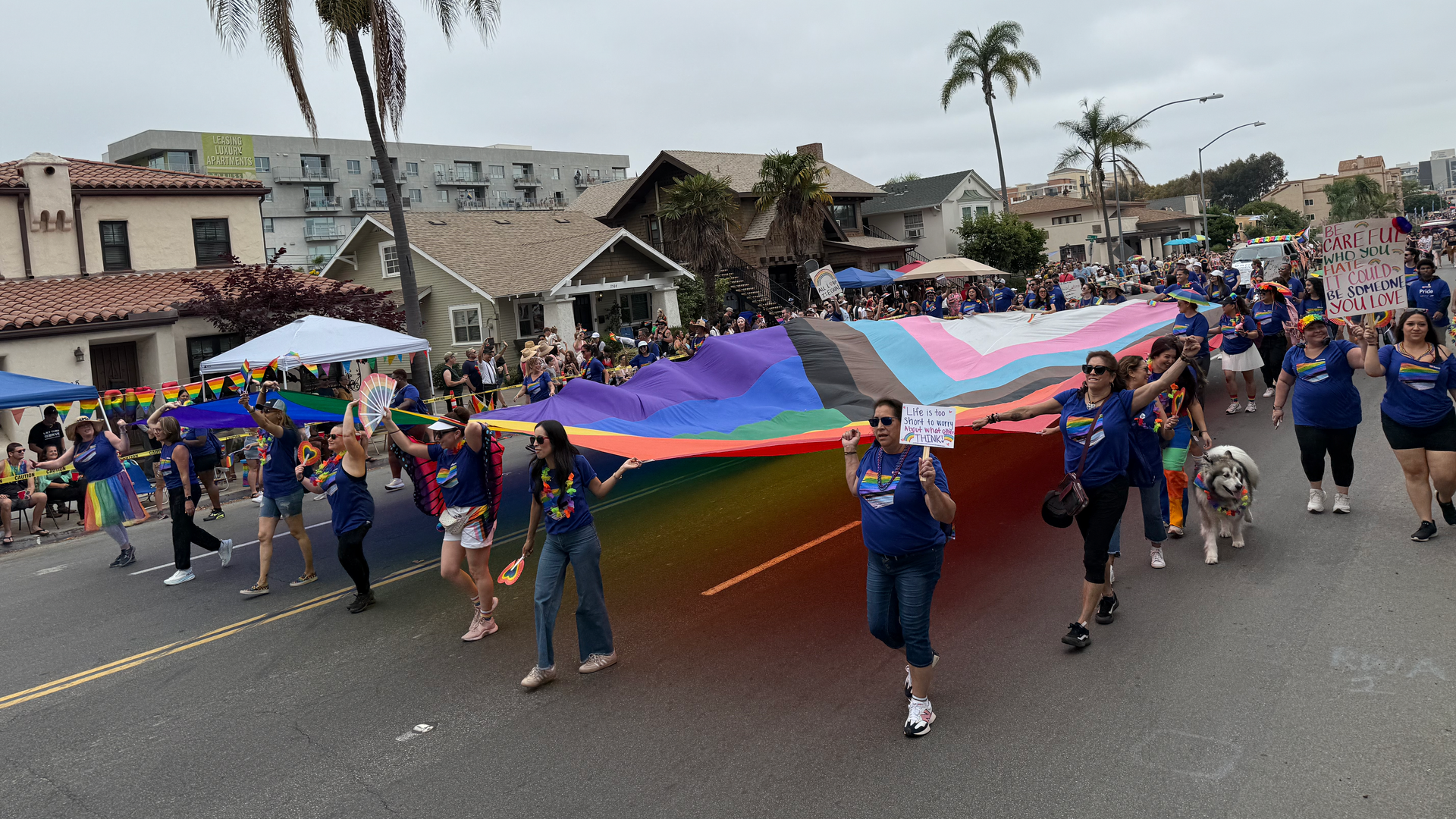
A new Gallup poll has found that 9% of adults in the United States now identify as LGBTQ+, marking a dramatic rise from the 3.5% recorded in 2012. The data, collected through more than 13,000 telephone interviews conducted in 2025, also shows that 86% of Americans identify as heterosexual, while 5% chose not to provide a response.
Although slightly lower than the 9.3% measured in 2024, the latest figure reflects a steady upward trend in LGBTQ+ identification across the past decade. Bisexuality remains the most commonly selected identity within the LGBTQ+ community, representing 58.6% of respondents in that group - equating to around 5.3% of all U.S. adults.
The rise is driven most strongly by younger Americans. Nearly a quarter (23%) of adults aged 18-29 identify as LGBTQ+, a proportion that falls sharply among older generations. Only 10.4% of those aged 30-49, 3.1% of those aged 50-64, and 2.3% of those aged 65+ say they identify as LGBTQ+.
Similar patterns emerged in separate reporting, with Gallup’s analysis noting that young adults - especially Generation Z - are significantly more likely to adopt identities other than heterosexual.
The poll also reveals striking gender differences: 10.5% of women identify as LGBTQ+ compared with just 5.6% of men. Political affiliation appears equally influential. While 14.2% of Democrats identify as LGBTQ+, only 1.9% of Republicans say the same.
A similar trend was highlighted in broader 2026 coverage, where Democrats and urban residents were found to be more likely to identify as LGBTQ+ than Republicans or those in rural areas.
Since Gallup began tracking sexual orientation and gender identity in annual polling, the United States has seen a substantial shift in self‑reported LGBTQ+ identity. The company attributes much of the increase to generational change, expanding social acceptance, and broader understanding of diverse identities.
With the share of LGBTQ+ adults having nearly tripled since 2012, researchers suggest the number may continue to grow as younger, more openly identifying generations age into the broader adult population.
Scene was founded in Brighton in 1993, at a time when news stories about Pride protests were considered radical.
Since then, Scene has remained proudly independent, building a platform for queer voices. Every subscription helps us to report on the stories that matter to LGBTQ+ people across the UK and beyond.
Your support funds our journalists and contributes to Pride Community Foundation’s grant-making and policy work.



Member discussion